
CBD Oil for Joint Pain and Inflammation: What Actually Works (and What Doesn’t)
I still remember the first time a patient asked me about CBD oil for their knee pain. It was 2018, and honestly, I had no clue what to say. Back then, CBD wasn’t plastered on every shop window or flooding my email inbox with ads promising miracle joint relief. Now, I get questions about it every single week—sometimes every day. Clearly, a lot of you are looking for solutions that go beyond the usual pill bottle.

Why Joint Pain Feels Like It’s Running Your Life
If you’ve ever woken up with stiff, aching knees—or felt your hands seize after a morning of gardening—you know joint pain isn’t just physical. It messes with your mood, your sleep, your plans. Patients tell me they feel decades older than they are. One guy, a fit 49-year-old, said his knees make him feel like he’s 80. That hits home.
Let’s be real: chronic joint pain isn’t just about pain. It’s about loss—mobility, energy, confidence, maybe even your favorite hobbies. And inflammation? That’s the silent driver behind so much of it. Arthritis (both osteo and rheumatoid forms), old injuries, and even plain old wear-and-tear—most of these share one thing in common: inflamed, irritated joint tissue that just won’t quit.
So, when something new comes along—like CBD oil—offering a glimmer of hope (and promising to do it naturally), it’s no wonder people line up to give it a shot. But does it actually help, or is this just another internet fad?
What Exactly Is CBD Oil—and How Is It Supposed to Help?
CBD (short for cannabidiol) is a naturally occurring compound found in hemp and cannabis plants. It’s non-intoxicating—no, it won’t get you high. But it does interact with your body’s endocannabinoid system, which helps regulate things like pain, immune response, and inflammation. The science is complex, but the basic idea is this: CBD may help dial down signals that trigger inflammation and pain—a sort of “volume knob” for your body’s alarm system, at least in theory.
I’ve spent hours reading research in the Journal of Pain, Rheumatology, and BMJ—and here’s where it gets interesting. Some studies suggest that CBD might block specific inflammatory messengers (like cytokines) and reduce nerve pain firing. But most of the strongest evidence is in animals, not humans. That’s a sticking point. For example, a 2016 European Journal of Pain study showed topical CBD reduced arthritis pain in rats. But translating rat results to real-world knee pain isn’t straightforward.
The Research: What We Actually Know (and What’s Still Guesswork)
Here’s what separates fact from hype:
- Arthritis: A 2020 review in Current Opinion in Rheumatology found that while CBD had anti-inflammatory effects in cell and animal models, robust human evidence is lacking. Most clinical trials have been small, short-term, or used mixed cannabis/CBD combos—not pure CBD oil alone.
- Chronic pain: A 2021 BMJ meta-analysis didn’t find convincing evidence for CBD alone helping chronic musculoskeletal pain, though patients did report some improvement in sleep and anxiety (which, to be fair, can make pain feel worse).
- Topical CBD: This is where things might be more promising. Applying CBD directly to painful joints bypasses your digestive system—and in a 2020 Journal of Clinical Medicine study, people with local arthritis reported improvement in pain scores after using CBD cream for two weeks.
And yes, I know—there are thousands of five-star reviews out there swearing that CBD oil was a game-changer for their knees, hands, or back. If you’re nodding along, you’re not alone. But we have to balance the testimonials with solid, controlled research. That’s my job as a practitioner (and, I’d argue, a decent human being).
CBD Oil for Joint Pain: Pros, Cons, and What to Look For
So, why all the buzz? And are there real risks or downsides? Here’s my honest take, after seeing dozens of patients try CBD—some with great success, others with little effect.
- Potential Benefits: Some folks do report less stiffness, better sleep, and milder pain—especially with topical CBD on smaller joints like the hands. It’s non-habit forming, and for most people, causes few side effects.
- Possible Downsides: It’s not cheap. Doses aren’t standardized—one bottle’s “20mg” dropper might be another’s “high dose.” And, not gonna lie, I’ve seen a few cases of mild GI upset or sleepiness (rare, but worth mentioning).
- Risks: Quality can be all over the map. Third-party testing matters. And if you’re on blood thinners, seizure meds, or have liver issues—talk to your doctor before even thinking about CBD.
Here’s the thing: CBD isn’t a cure. If you expect a miracle, you’ll probably be disappointed. But if you want a tool—maybe in your toolbox alongside exercise, anti-inflammatory foods, and smart pain management? It might be worth a shot. (Just don’t mortgage the house for it.)
How to Use CBD Oil for Joint Pain (Without Getting Duped)
Let’s talk practicalities. If you’re going to try CBD, you want to do it smart:
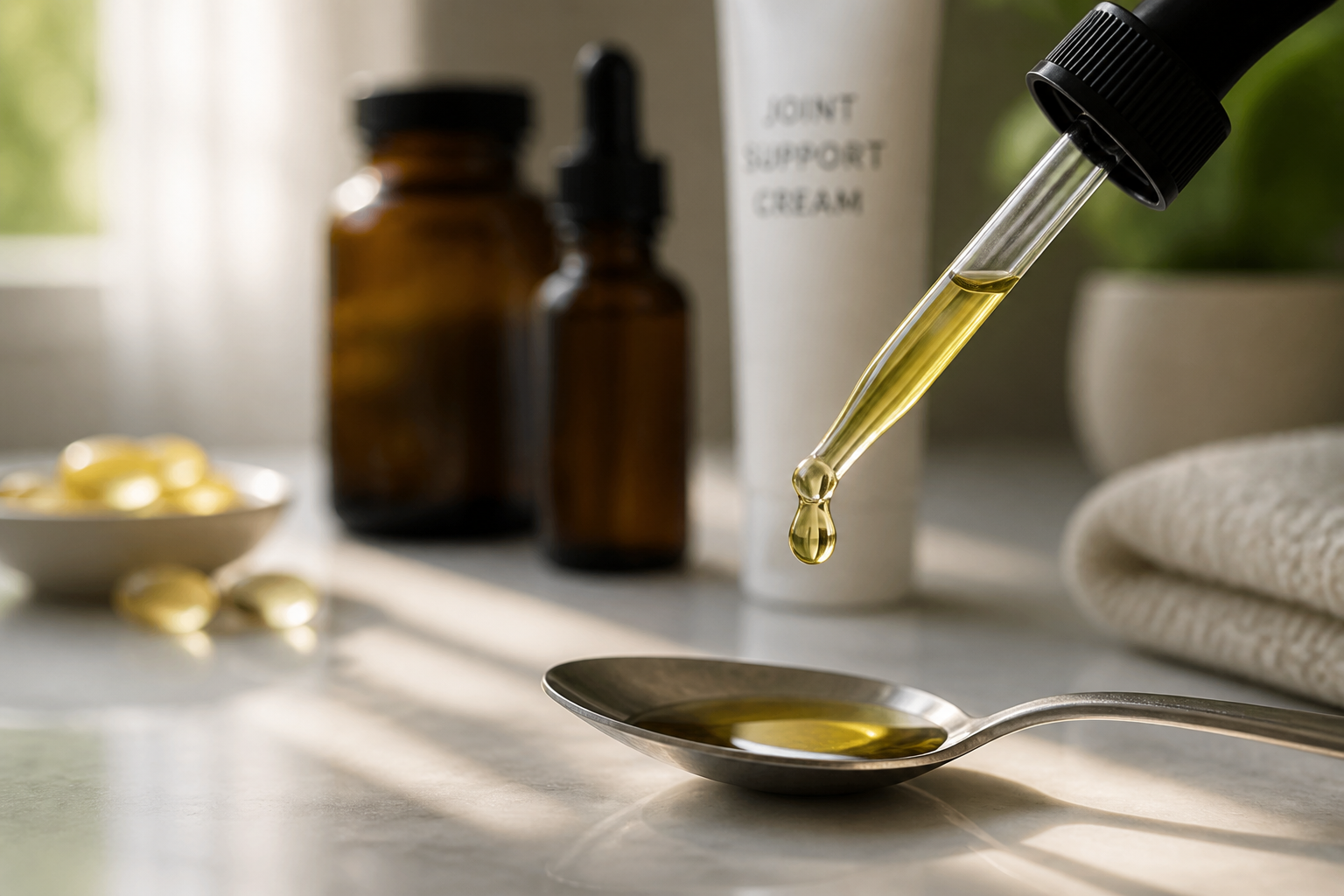
- Pick the right format: For joint pain, topical creams or balms let you target knees, wrists, or fingers directly. Oil tinctures (drops under the tongue) work more systemically—useful if you have widespread pain.
- Start low, go slow: Most studies use doses ranging from 10mg to 50mg per day. For topicals, a pea-sized amount is usually enough per joint. Ramp up only if you don’t see results.
- Check the label: Look for "third-party tested," clear dosing info, and less than 0.3% THC (if you want to avoid psychoactive effects).
- Give it time: In my experience, some people feel a difference in days. Others need a few weeks. Set realistic expectations, and keep a symptom diary if you’re tracking progress.
And please—don’t stop any prescription meds or physical therapy on a whim. I’ve had patients who tossed their NSAIDs, only to wind up back in pain. Use CBD as an adjunct, not a replacement, unless your doctor gives the green light.
Layering CBD with Other Joint Pain Remedies
If I’m being completely honest, I rarely see a patient get lasting relief from any single "miracle" supplement—CBD included. The magic often comes from stacking multiple modest interventions. For instance:
- Compression and support: I suggest the Modvel Compression Knee Brace to many of my active patients. It’s affordable, gets rave reviews, and can make a difference during movement-heavy days. (Bonus tip: the anti-slip design is a real perk if you’re moving around a lot.)
- Topical relief: Combining a CBD cream with a proven over-the-counter option like Voltaren Arthritis Pain Gel—whose active ingredient, diclofenac, is FDA-approved for joint pain—can offer both immediate and lasting comfort. Some folks alternate between the two, especially for severe morning stiffness.
- Supplements: I’m asked all the time if you can take CBD alongside joint support blends—like glucosamine-chondroitin formulas. The answer, for most people, is yes. But always check with your doctor, especially if you’re on other meds.
One more tip: Don’t underestimate the power of gentle movement. Even short, daily exercises (like those in Treat Your Own Knees by Jim Johnson, PT), can boost joint lubrication and ease inflammation—in ways CBD oil alone simply can’t replicate.
What About Side Effects? Here’s What I’ve Actually Seen
CBD is usually pretty well-tolerated, especially at standard doses. Out of the dozens of patients I’ve worked with who tried it, only two reported anything bothersome: one had mild nausea (which faded after a week), and another felt a bit more sleepy than usual. Both were using oral CBD oil, and both stuck with lower doses thereafter without further issues.
Rarely, high doses (think over 100mg/day) can affect liver enzymes or interact with medications—so again, if you’re on blood thinners, seizure meds, or have significant liver/kidney disease, talk to your doctor first. And, I can’t stress this enough: avoid sketchy brands selling CBD “miracle cures” for $19.99 at the gas station. Quality matters more than price or hype.

How to Spot a Good CBD Product (and Red Flags to Watch For)
If you’re overwhelmed by choices, you’re not alone. I’ve reviewed dozens of these products—sometimes the only difference is the label. Here’s my checklist (and yes, I use this myself for family members):
- Third-party testing: Reputable brands publish lab results proving their CBD content and purity. If you can’t find these reports—move on.
- Clear dosing: You should know exactly how many milligrams of CBD you’re taking per drop, capsule, or dab of cream.
- Source: US-grown hemp tends to have stricter oversight compared to untraceable imports.
- No wild claims: If the bottle promises to “cure arthritis forever,” be wary. Honest brands stick to realistic language.
- Ingredients list: Watch for unnecessary fillers, synthetic additives, or fragrances—especially if you have allergies or sensitive skin.
I know this can feel like a lot. But getting the basics right goes a long way toward avoiding disappointment—and keeping your wallet intact.
What I Tell My Own Family About CBD Oil and Joint Pain
Look, I’m a pragmatist. My mother-in-law has osteoarthritis in her fingers, and she’s tried everything from paraffin wax baths to turmeric capsules. Last year, she added a topical CBD balm to her routine. Did it cure her arthritis? No. But she tells me she gets enough relief to open jars again—especially when she combines it with gentle hand stretches and her beloved compression gloves.
This is the pattern I see again and again: CBD oil isn’t a magic wand, but for some, it’s a useful tool. Used thoughtfully (and layered with other smart habits), it may tip the scales toward more good days than bad.
And if you try it and it doesn’t help? Don’t beat yourself up. Joint pain is stubborn—sometimes maddeningly so. Keep troubleshooting. Ask for help. Sometimes the solution is a patchwork, not a silver bullet.
Takeaways: What Actually Matters Most
- CBD oil may help with joint pain and inflammation—especially mild to moderate symptoms—but it’s not a guarantee.
- The strongest evidence (so far) is for topical use on small joints; oral CBD is less predictable but may help sleep or anxiety for some folks.
- Use it as part of a bigger strategy: compression, movement, proven OTC gels, and healthy habits all matter.
- Start with a reputable, third-party tested brand and realistic expectations. Don’t expect miracles (and don’t quit prescription meds without medical guidance).
Curious if CBD oil could fit your joint pain plan? Ask your provider, start small, and keep track—sometimes the answer is in the details. And if you’ve found something that helps, I’d genuinely love to hear about it. My patients and readers are often the best teachers.
Here’s hoping for more good movement days ahead—aching joints and all.
Dr. Michael Torres, DC
Licensed Chiropractor & Nutrition Counselor
JointReliefReviews.com