
CBD Oil for Joint Pain and Inflammation: What Science—and Real Users—Say
Here's the thing: My phone lit up last Thanksgiving with a text from my brother-in-law, who’s pretty skeptical of anything 'trendy.' He wrote, "James, does that CBD oil stuff actually help knees, or is it a waste of money? My right one’s killing me after pickleball." That wasn't the first time I've been asked, and I doubt it'll be the last—CBD oil for joint pain and inflammation is everywhere these days.

If you’ve been waking up achy, or wincing every time you stand, you’re not alone. According to the CDC, nearly 1 in 4 adults in the U.S. struggles with some form of joint pain. And if you’re over 50? Odds only go up. Most folks I see are juggling a mix of ibuprofen, ice packs, and a shopping bag of supplements—hoping for that one thing that finally brings lasting relief.
Why CBD? And Is It Truly Worth All the Hype?
Look, I’m not here to sell snake oil or promise miracle cures. In my years working with older adults (I’m a certified strength coach and hold a master’s in exercise science), I’ve seen plenty of fads come and go. CBD oil’s sheer popularity is hard to ignore, though—even the Journal of Rheumatology published a 2020 survey showing nearly 30% of people with arthritis had tried CBD for their joint pain.
But does it work? And how does it supposedly help? Let’s break down the science, the gaps, and what you might realistically expect if you try CBD oil for joint pain and inflammation.
What Actually Is CBD Oil?
If you raised an eyebrow at the word 'oil,' you’re not alone. I’ve had folks ask if CBD means you’ll get high, or if it’s just a fancy version of hemp seed oil. Here’s the breakdown: CBD (cannabidiol) is a naturally occurring compound in the Cannabis sativa plant—but unlike THC, it’s not psychoactive. That means no buzz, no risk of failing a work drug test (assuming you pick a reputable brand), and a much gentler side effect profile than prescription painkillers.
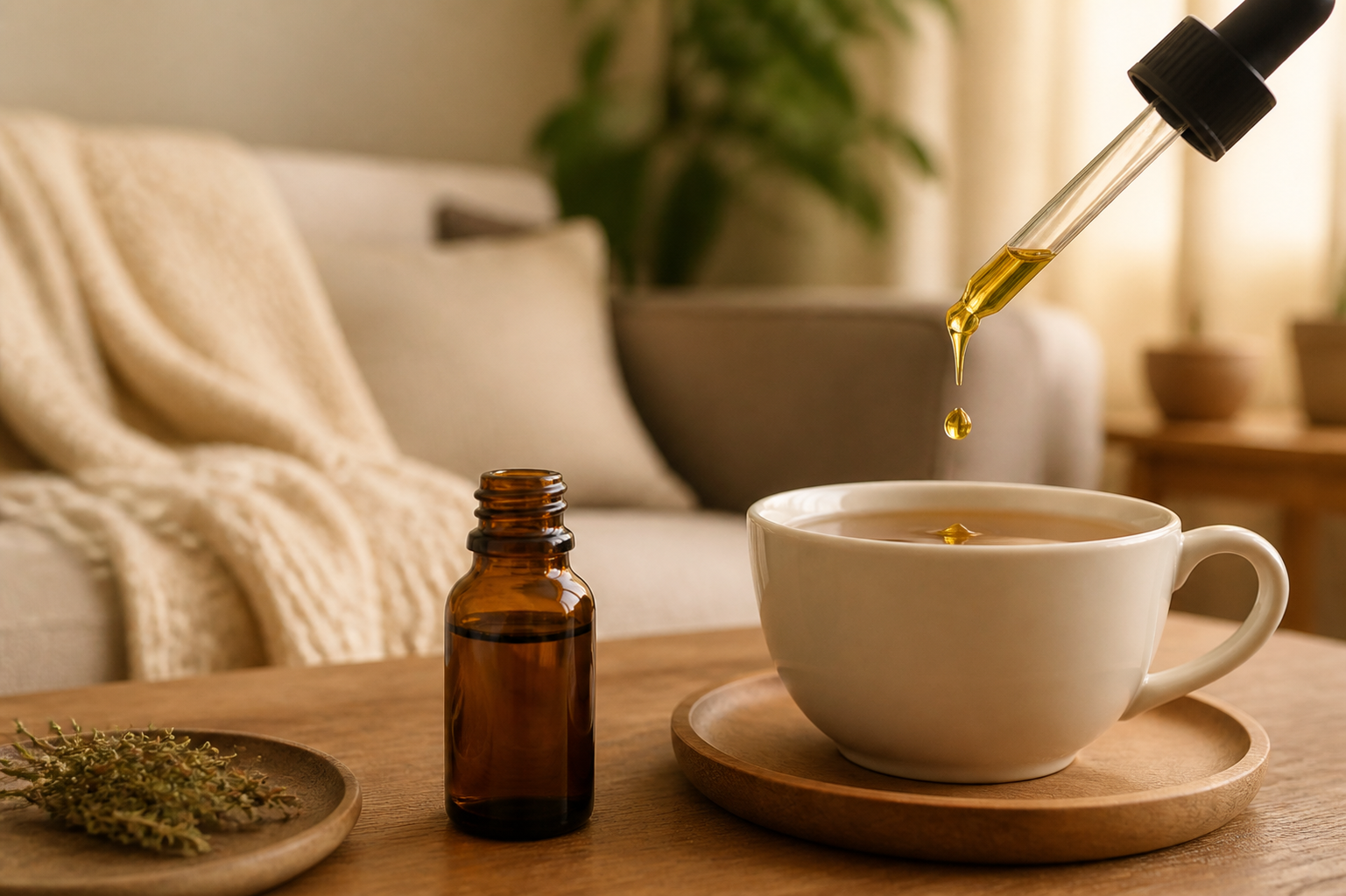
CBD oil is typically made by extracting CBD from the hemp plant and diluting it with a carrier (like MCT coconut oil). The final product can be taken orally (under the tongue), added to food, or even applied topically. Which brings us to the million-dollar question: How does it work for joint pain, specifically?
The Science: How CBD Might Help Joint Pain and Inflammation
Here’s where it gets interesting. CBD interacts with your body’s endocannabinoid system (ECS)—think of it as a set of traffic lights for pain and inflammation. The ECS helps regulate pain signals, immune responses, and even your mood. CBD seems to nudge those signals toward less pain and less swelling (in theory).
Animal studies are actually pretty promising. One 2017 study in Pain showed that rats with joint inflammation given topical CBD had significantly reduced swelling and pain behaviors. That's in animals, though—not humans. In people, the research is still catching up.
For example, a 2022 review in Arthritis & Rheumatology looked at all the available human data and concluded: the early findings are encouraging, especially for pain reduction, but the studies are small, short-term, and the doses used are all over the map. Most human studies use dosages between 20mg and 100mg of CBD per day, but real-world users often experiment with even less—or much more.
And here’s the kicker: A lot of CBD research isn’t specific to joint pain or arthritis. Instead, it’s often about chronic pain in general, or uses lab models that don’t exactly match the day-to-day reality of knee stiffness or thumb arthritis.
Real-World Experience: What Do Users Actually Report?
This is where my inbox fills up. I’ve talked with dozens of clients (and more than a few family members) who’ve tried CBD oil for joint pain. Some swear by it, saying it dulls the ache and lets them garden or walk the dog again. Others? They say they felt absolutely nothing. A few folks got mild stomach upset or sleepiness. No one reported wild side effects (unlike, say, prescription NSAIDs, which can upset your stomach, increase bleeding risk, or raise blood pressure), but not everyone gets a magic-bullet result.
A reader emailed me last month: “James, I used 25mg full-spectrum CBD for my arthritic hands and actually slept through the night for the first time in months. Is that normal?” Honestly, sleep improvement is a common side effect—CBD seems to calm more than just inflamed joints.
CBD vs. NSAIDs and Topical Gels: How Does It Compare?
If you’re like most of my clients, you’ve probably rotated between ibuprofen, ice packs, and topical gels like Voltaren Arthritis Pain Gel (which, full disclosure: has lots of clinical backing for osteoarthritis). CBD is different—it doesn’t block COX enzymes like NSAIDs, so you’re less likely to get stomach upset or blood pressure spikes. But the pain relief is generally milder, and it’s not a fast-acting fix. Think gentle, slow nudge—not a sledgehammer.
I know this is unpopular, but most articles won’t tell you: If your pain is severe, or you have visible joint swelling or redness, CBD oil probably shouldn’t be your only solution. It works best as part of a routine, not a replacement for real medical care. And talk to your doctor before adding any supplement—especially if you’re on heart meds, blood thinners, or have liver issues.

How to Actually Use CBD Oil for Joint Pain and Inflammation
Here’s where most CBD articles get vague: dosing. There’s no "one size fits all"—and that can be frustrating. I tell clients to start low (10-20mg, once or twice daily) and see how their body reacts for at least a week. If you notice benefit, you can titrate up—some people go as high as 50-100mg/day for stubborn pain, but that’s well above what most clinical studies use.
Another common question: Is topical CBD better than oral? In theory, topical CBD creams or oils target the area directly, which is appealing for sore knees or hands. A 2020 review in the Journal of Cannabis Research found that some people with localized joint pain reported more relief from topical CBD than oral drops. But again, data is still pretty thin.
Tips for best results:
- Go slow—start low, increase gradually
- Choose 'full-spectrum' or 'broad-spectrum' CBD for maximum benefit (includes other helpful plant compounds)
- Stick to reputable brands—look for third-party lab testing (COAs)
- Consistency matters—give it 2 to 4 weeks before judging effectiveness
- Avoid products advertising sky-high milligrams per bottle, but tiny per-dose amounts—always check the math
What to Watch Out For: Side Effects, Interactions, and Legal Issues
Let’s keep it real. CBD isn’t risk-free. Side effects are usually mild—think dry mouth, dizziness, changes in appetite, or rare diarrhea—but if you’re taking prescription medicines, you need to be cautious. CBD is metabolized by the liver and can interact with blood thinners (like warfarin) and some anti-seizure or heart medications.
Another pitfall: lousy quality control. The BMJ published a 2022 analysis showing nearly 60% of CBD products tested had inaccurate labeling. Some had far less CBD than advertised; a few had more than the legal limit of THC. So always check for up-to-date lab results (called COAs) and avoid sketchy brands from gas stations or social media ads.
And in case you’re wondering: yes, CBD oil is federally legal in the U.S. as long as it contains less than 0.3% THC. But some states have their own quirks. If you’re traveling, check the local laws first.
CBD Oil: Where Does It Fit in a Joint Health Routine?
I like to think of CBD oil as one piece of the puzzle. If you’re serious about managing joint pain, don’t ignore the basics: movement, strength training, weight management, and the right support gear. For example, compression sleeves like the Modvel Compression Knee Brace can make a real difference for sore knees (I’ve reviewed dozens, and Modvel is one I actually recommend to family). And for those cold, achy mornings, an XL heating pad like the Pure Enrichment PureRelief XL Heating Pad is a game-changer—moist heat penetrates deep, and those auto shut-off settings are surprisingly handy when you drift off on the couch.
But back to supplements: If you’re thinking about pairing CBD with joint formulas, there’s not much research on synergy yet. Anecdotally, some people combine CBD with glucosamine/chondroitin, turmeric, or omega-3s. Just be careful not to throw every supplement at the wall—start with one, track your symptoms, and build from there.
CBD Oil Product Tips: What to Look For (and Avoid)
If you’re nodding along, you’re probably wondering: "Okay, what should I actually buy?" Here’s my quick checklist, based on reviewing dozens of brands for clients and on JointReliefReviews.com:
- Full-spectrum or broad-spectrum hemp extract. These contain a wider array of helpful cannabinoids and plant compounds—think of it as 'teamwork' for joint relief.
- Lab-tested with a recent COA. If you can’t find a certificate of analysis on the website, move on.
- Clearly labeled dosing per serving. Avoid brands that only list '1000mg per bottle'—what matters is the amount you actually take each dose (usually 10-33mg per dropper).
- No wild health claims. If a brand promises it will 'cure' arthritis, that’s a big red flag.
- Start with a small bottle. Some people feel benefit in a week; others need a month. No need to buy a gallon jug on your first try.
I’m not going to hard-sell any one brand—there are quite a few solid ones, and a lot of duds. Always check with your doctor before starting, especially if you have any chronic health conditions.
What the Research Still Doesn’t Tell Us
If I’ve learned anything in my career, it’s that hype usually outruns hard science. We need more large-scale, long-term studies in people with real arthritis and joint pain—not just rats or mice. How well does CBD oil stack up next to tried-and-true options like Voltaren Gel or even a simple daily walk? The jury’s still out.
However, the safety profile is encouraging, and for many, the worst-case is simply that it doesn’t help—but doesn’t hurt, either. (Again, barring medication interactions or rare allergies.) The real challenge? Finding a quality product and using it consistently enough to judge for yourself. The advice I give my own family: treat CBD like a tool, not a miracle, and track your symptoms week by week.
Key Takeaways: CBD Oil and Joint Pain—Worth Trying?
I’ll be honest—when my mother-in-law first asked me about CBD, I was skeptical. But after seeing some of my most stubbornly achy clients finally get a bit of relief (and better sleep), I’m open-minded. Is it a game-changer for everyone? No. But is it worth a trial run, starting low and slow, especially if you’re looking for a gentler option? For many adults over 50, the answer is: probably, yes.
- Start with a low dose (10-20mg/day), and be patient—give it at least 2-4 weeks.
- Prioritize quality and lab-tested brands. Don’t chase miracle claims.
- Pair with other joint-friendly habits: movement, strength, and simple supports like a good knee brace or a heating pad.
- Always check with your healthcare provider first, especially if you’re on prescription meds.
If you’ve tried CBD oil for joint pain and have a story (good, bad, or just plain weird), I’d love to hear from you. Sometimes, the best advice comes from those who’ve walked the same stiff, creaky path.
Stay curious, stay moving, and remember—joint relief is almost always about the long game.
James Chen, MS, CSCS
Exercise Scientist, Strength Specialist, and Joint Health Columnist
JointReliefReviews.com