Bone on Bone Knee Pain: I've Been There with Patients. Here's What Matters
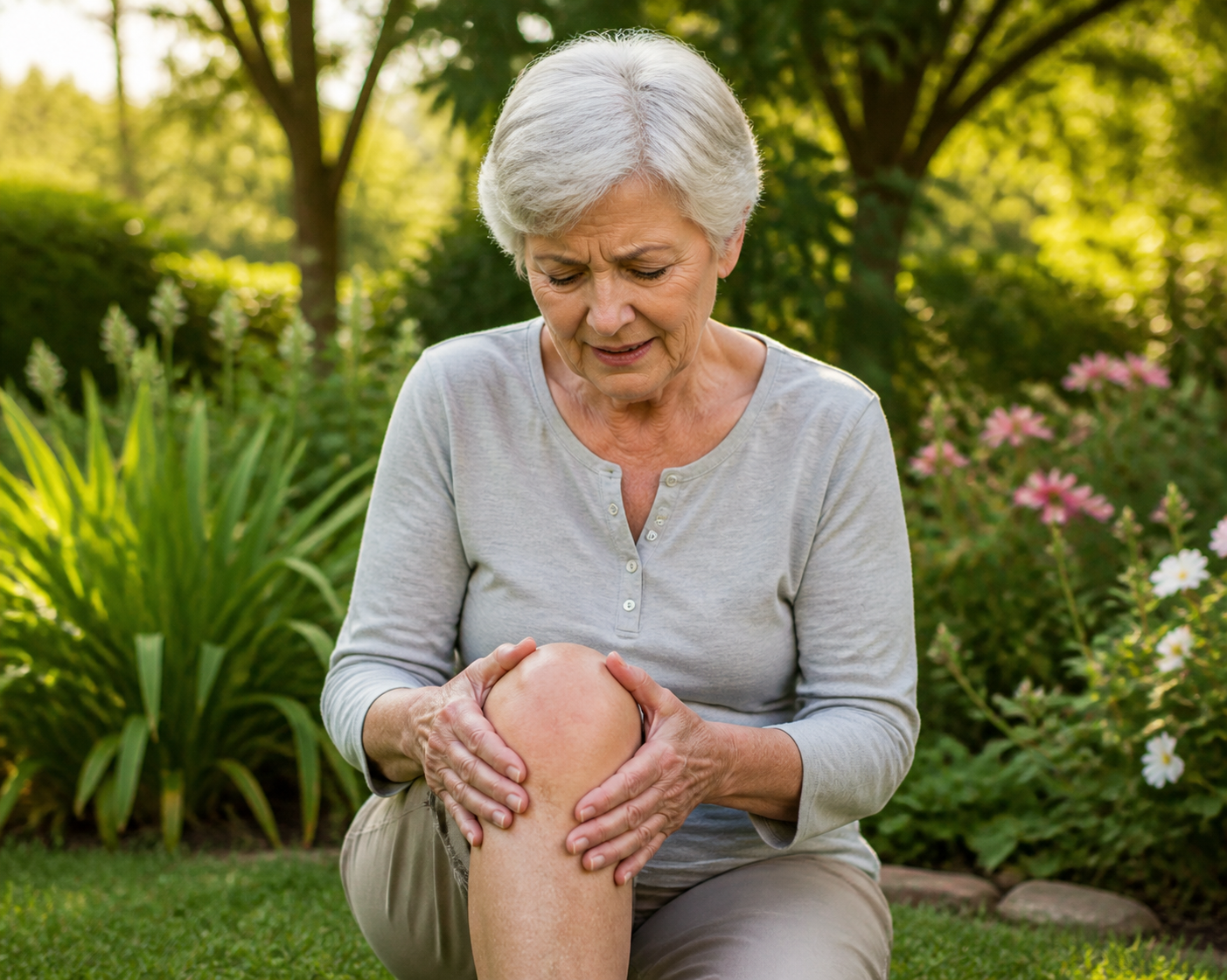
I’ll never forget Mrs. Harper. She was in her late sixties, proud of her garden, and almost in tears trying to kneel by her tomato plants. She told me, “Linda, it’s like someone poured concrete in my knee.” That’s bone on bone pain — and if you’re living it, you know it’s more than just an ache.
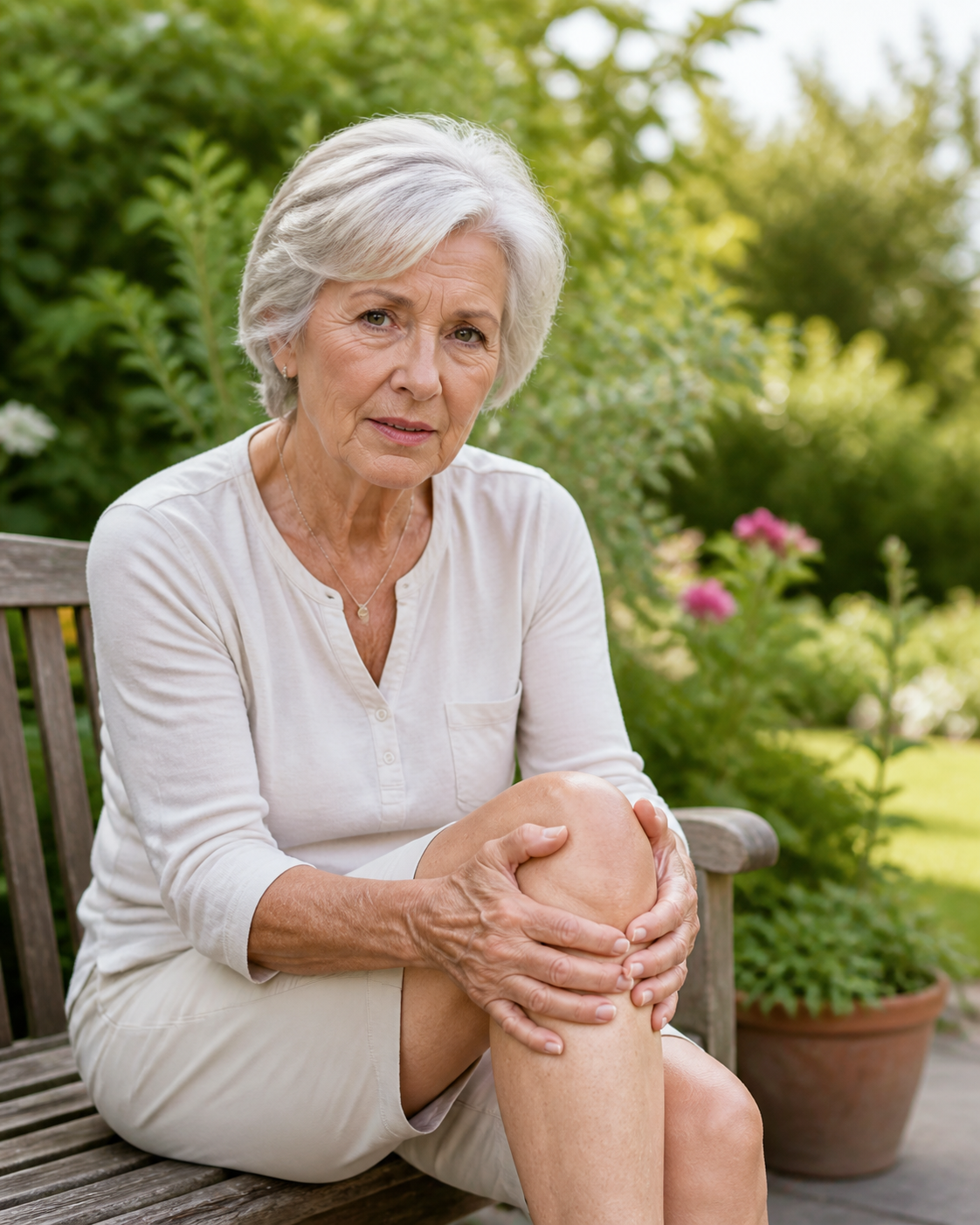
Some days you can trick yourself into thinking it’s getting better. Other days, stairs might as well be Mount Everest. And it’s not just pain—it’s the little humiliations: needing help with a grocery bag, missing out on a walk with your grandkids, or wincing every time you get up from a chair.
What’s Really Happening Inside Your Knee?
Let’s break it down: when people say “bone on bone,” they’re talking about severe knee osteoarthritis. The cartilage (that smooth, cushioning layer) has all but vanished. Now, the raw ends of your femur and tibia are rubbing together — every step becomes a showdown between nerve endings.
I’ve seen this hundreds of times in my orthopedic nursing years. An X-ray looks like two white lines touching with almost no gap. (If your doctor shows you yours, ask to see the healthy knee for comparison — the difference is wild.)
Knee Pain Isn’t Just About Age
Here’s the thing: It’s not just from getting older. Genetics, past injuries, weight, and even your job (lots of kneeling or heavy lifting) speed up that cartilage loss. And, not gonna lie, sometimes all the “right” habits in the world can’t save you from a stubborn knee joint that just wears out. Frustrating? Absolutely. But you’re not powerless.
Why Bone on Bone Hurts Like Nothing Else
Our knees are made to glide. Remove the cartilage and you get swelling, grinding, and inflammation. The Journal of Rheumatology (2018) found that bone on bone OA patients had nearly twice the inflammation markers as those with mild arthritis. That’s why it’s not just stiffness, it’s that deep, relentless ache—sometimes shooting pain.
Many folks tell me, “Ice helps, but only for a short while.” Or, “Heat feels good, but then the pain creeps back.” Both are true. And neither is enough on its own. That’s because the problem isn’t just surface-level.
Options: Surgery Is a Last Resort—But Not the Only One
I know the gloom-and-doom stories about knee replacement surgery. But here’s an unpopular truth: real bone on bone pain sometimes does need surgery. Still, most orthopedic surgeons now recommend trying all practical non-surgical methods first, especially if you’re not ready for a big operation or have health risks.
If you feel pushed into surgery before exploring alternatives, get a second opinion. (Honestly, some doctors move too quickly.) So, what are your options for actual relief?
Best Non-Surgical Treatments for Bone on Bone Knee Pain
I’m going to be blunt. There’s no miracle cream or magic vitamin that will regrow cartilage—at least, not yet. But there are legitimate ways to reduce pain, improve function, and keep your independence for as long as possible.
1. Physical Therapy — The Unsexy, Unbeatable Gold Standard
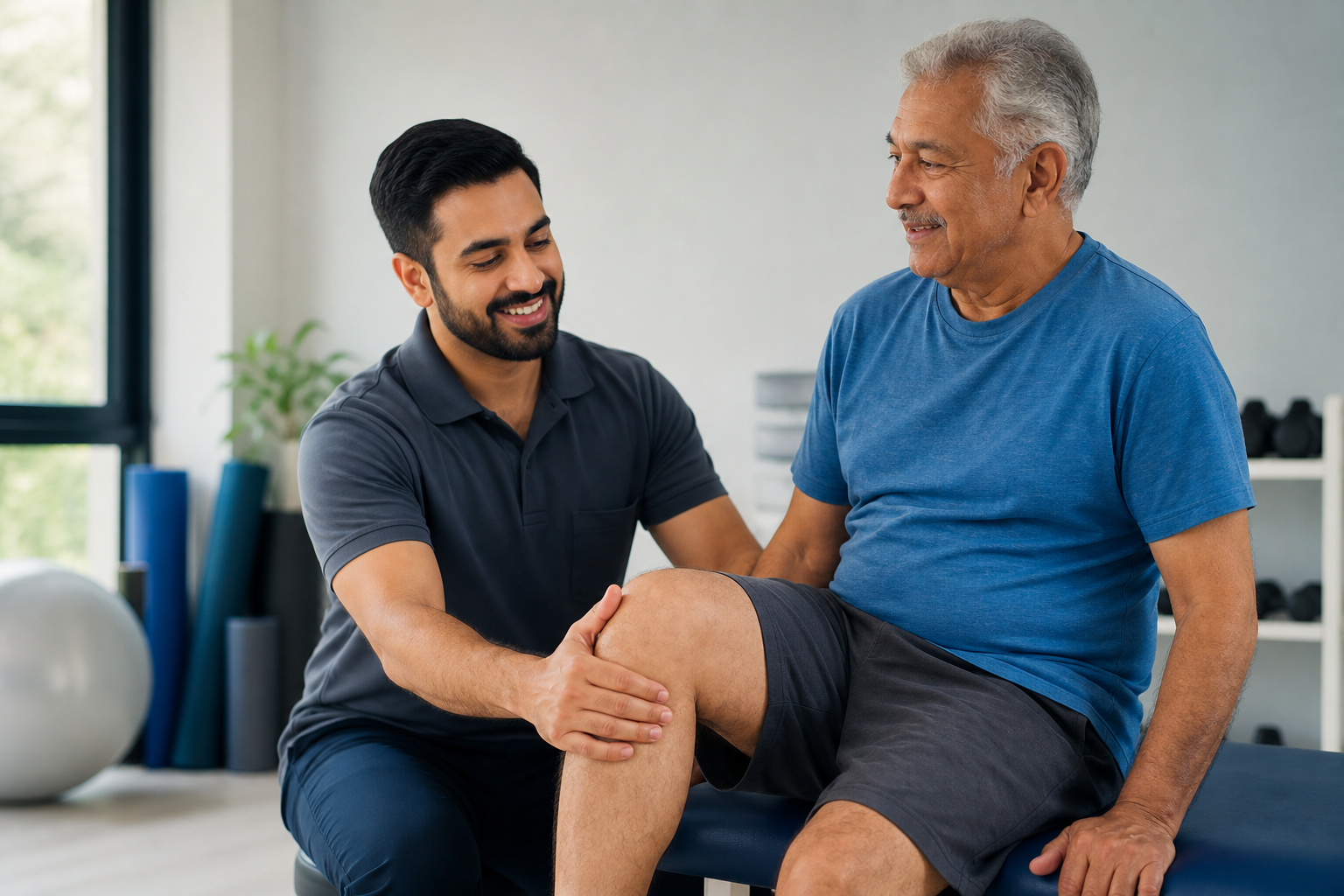
Most people roll their eyes when I say PT. “I’ve tried stretches!” they say. But true, targeted exercise is different. The Arthritis & Rheumatology journal published a 2020 meta-analysis showing that strengthening the quadriceps and hip muscles can reduce pain scores by 30–45% in severe knee OA—even in bone-on-bone cases.
But, you don’t always need three appointments a week. Home programs work if you stick to them. My favorite at-home guide? Treat Your Own Knees by Jim Johnson is under $12, written by a physical therapist, and loaded with practical (not pie-in-the-sky) routines that build strength, flexibility, and responsiveness. I’ve had dozens of patients borrow my copy and see real progress. (And no, you don’t need fancy resistance bands or a gym membership to do most of these moves.)
2. Targeted Joint Support Devices
Look, I used to think knee braces were snake oil until I saw what the right one could do. The trick is compression and stabilization. Those sleeve-style braces you see everywhere? They don’t work for everyone, but when they fit right, they can cut pain and swelling by improving circulation and providing gentle support.
- If your knee wobbles or buckles, consider a medical-grade brace with side stabilizers and a patella gel pad. The NEENCA Professional Knee Brace is an affordable option that checks all those boxes, and my own mother-in-law (the gardening queen) swears by hers. She wears it for chores, shopping, and even gentle hikes—says it “takes the edge off” without slipping or pinching.
- If you’re mostly looking for gentle compression during walks or errands, the Modvel sleeve is popular, but serious instability calls for more structure.
3. Heat and Cold — Not Just Placebos
Skeptical? I was too, but the research is there. A 2018 Cochrane review found that applying moist heat before activity (think: microwaved heat pad or a hot towel) followed by ice after can measurably reduce pain and swelling for up to a few hours. My tip: Get a large, plush heating pad that covers the whole knee and thigh, not just a small patch. The extra coverage makes a surprising difference.
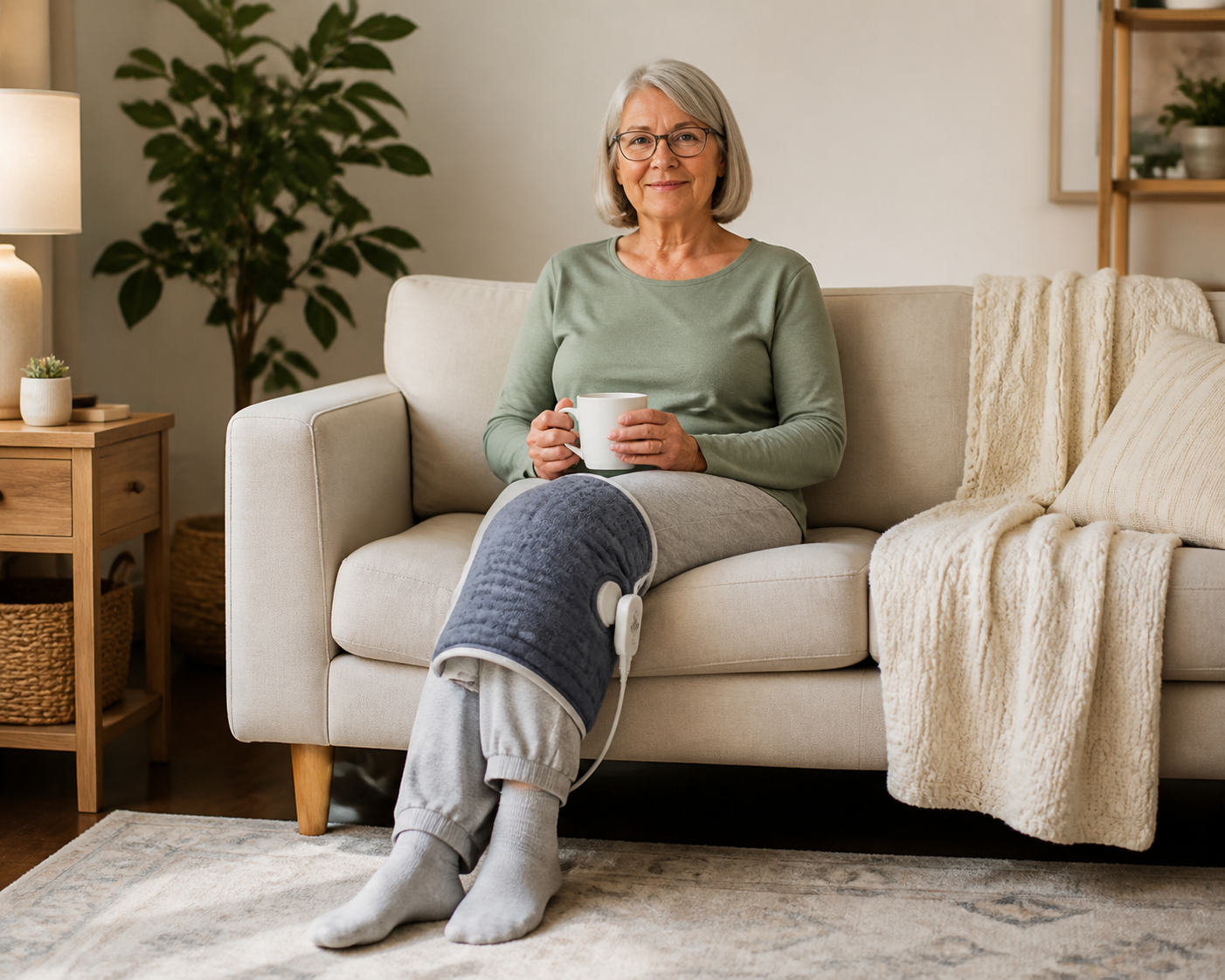
If you do use heat, keep it under 20 minutes and always check for skin sensitivity—especially if you have neuropathy or diabetes. Always a good idea to check with your doctor about heat/cold therapy if you have vascular disease or nerve issues.
4. Topical NSAIDs: The Real-World Impact
Pills upset your stomach? You’re not alone. Topical NSAIDs (like Voltaren Arthritis Gel) have become a godsend for many of my patients. The active ingredient, diclofenac sodium, has solid evidence behind it — a 2016 BMJ study found that twice-daily application led to pain reduction in nearly 60% of moderate-to-severe OA sufferers (with fewer side effects than oral NSAIDs). It’s not greasy, doesn’t smell much, and you don’t need a prescription anymore.
Downside? It doesn’t always penetrate deep enough for the most severe pain, but for a lot of folks, it cuts the edge so you can actually get up and move.
5. Weight Loss: The Elephant in the Room (Not a Judgment!)
Look, I’m not here to shame anyone. But even five pounds off your frame can take 20+ pounds of pressure off an aching knee (per the CDC). It’s one of the only proven ways to slow OA progression. That said, exercising with bone on bone knees is hard. Focus on pool exercises if you can—movement without high impact pays off big time.
What About Supplements, Shots, and Gels?
Alright, let’s address the stuff you see all over late-night TV or in magazine ads. As an RN, I’ve reviewed dozens of “joint health” products. The data is… underwhelming for most. Here’s the honest rundown:
- Glucosamine/chondroitin: In my experience, I’ve seen some patients swear by them, but the 2022 American College of Rheumatology guidelines found only small, inconsistent benefits—especially for bone on bone stages. No harm in trying 1500mg glucosamine sulfate for a 3-month trial, but don’t expect miracles.
- Cortisone Shots: Can give temporary relief (weeks to a few months) but repeated injections risk cartilage breakdown. Not a long-term fix.
- Hyaluronic Acid (gel) injections: The science is split—some feel a little better, others notice nothing. Insurance often doesn’t cover if you’re bone on bone.
- PRP and Stem Cell Treatments: Hot topics, but as of 2024, long-term data just isn’t robust. Can cost thousands with “maybe” benefits.
If you’re nodding along, you’re not alone. I wish there were a single solution that worked for everyone, but the reality is a mix-and-match approach helps most.
Day-to-Day Tweaks That Actually Help
This is the part most articles skip—real world, non-product tweaks from my decades in ortho nursing. These don’t cost much, but can really shift your day:
- Switch up your shoes: Ditch heels, thin soles, and worn-out sneakers. Look for shoes with a wide base, thick cushioning, and a little rocker at the toe (think: Hoka, Brooks, New Balance have good models). This alone can cut impact pain by 15–25% based on gait analysis studies.
- Use the rails and don’t be shy about canes: There’s no prize for suffering. Using a cane or even trekking poles takes stress off your knee and spares your “good” side. I’ve seen proud athletes cringe at first, then thank me later.
- Break up your activity: Thirty minutes of walking at once? Too much for most. Try three blocks of 10 minutes. Keeps you moving without overloading the joint.
- Sleeping with a pillow between your knees: Especially if you’re a side sleeper, this relieves pressure and can reduce that early morning agony.
When Is It Time to Consider Surgery?
I’m a big believer in postponing major surgery as long as you’re functional. But if pain keeps you up at night, you can’t do basic things (like getting off a toilet safely), or your joint feels unstable to the point you might fall, it’s time for a fresh surgical consult. Modern knee replacements last 20+ years and recovery has gotten a lot better since the 1990s.
Don’t let anyone bully you into it—this decision is yours. But don’t let fear keep you from getting your life back, either.
Real Talk: What Works Best for Bone on Bone Knee Pain?
If there’s one thing I hope you take away, it’s that you shouldn’t settle for “just live with it.” Yes, bone on bone is tough, and yes, some days will stink. But I’ve seen folks—decades older than most of my readers—regain serious function by mixing these approaches:
- A consistent, research-backed exercise routine that targets strength and flexibility (see the Treat Your Own Knees book for easy at-home help)
- Wearing a stabilizing knee brace (like the NEENCA Professional Knee Brace if you need extra support)
- Using topical NSAIDs (like Voltaren) for those “can’t move” days
- Building in little life tweaks that add up over weeks, not days
And above all: stay in conversation with your orthopedic team. Things change. Pain isn’t static. What works in your 60s might need adjustment by your 70s. And if you ever feel dismissed, find someone who listens. Seriously.
Bottom Line—Don’t Give Up On Your Knee (Or Yourself)
I’ve seen people go from housebound to hiking—truly. It’s rarely a straight line. But with the right mix of therapies, devices, and old-fashioned grit, most folks can get back to doing what they love, even if the pain never fully disappears.
If you’ve got a hack, a product you love, or just need a little encouragement, drop me a message at JointReliefReviews.com. I read every word.
Linda Hargrove, RN, spent two decades in orthopedic care and now helps everyday people find practical ways to tackle joint pain at home. She never turns down a good question or a chance to help someone walk a little easier.